
When you walk down the aisles of your local grocery store, it’s hard to miss the plethora of brightly packaged processed foods. From frozen meals to snack bars, these items are designed to be convenient, appealing, and often much cheaper than their whole food counterparts. However, as we become increasingly reliant on these food options, it’s essential to examine the potential health risks that accompany their consumption.
Processed foods typically contain high levels of sugar, sodium, and unhealthy fats. These ingredients are added not only to enhance flavor but also to extend shelf life. Consuming large amounts of these additives can lead to various health issues, including obesity, heart disease, and diabetes. For instance, a diet high in added sugars can contribute to insulin resistance, a precursor for type 2 diabetes. Additionally, excessive sodium intake is linked to hypertension, which significantly raises the risk of heart disease.
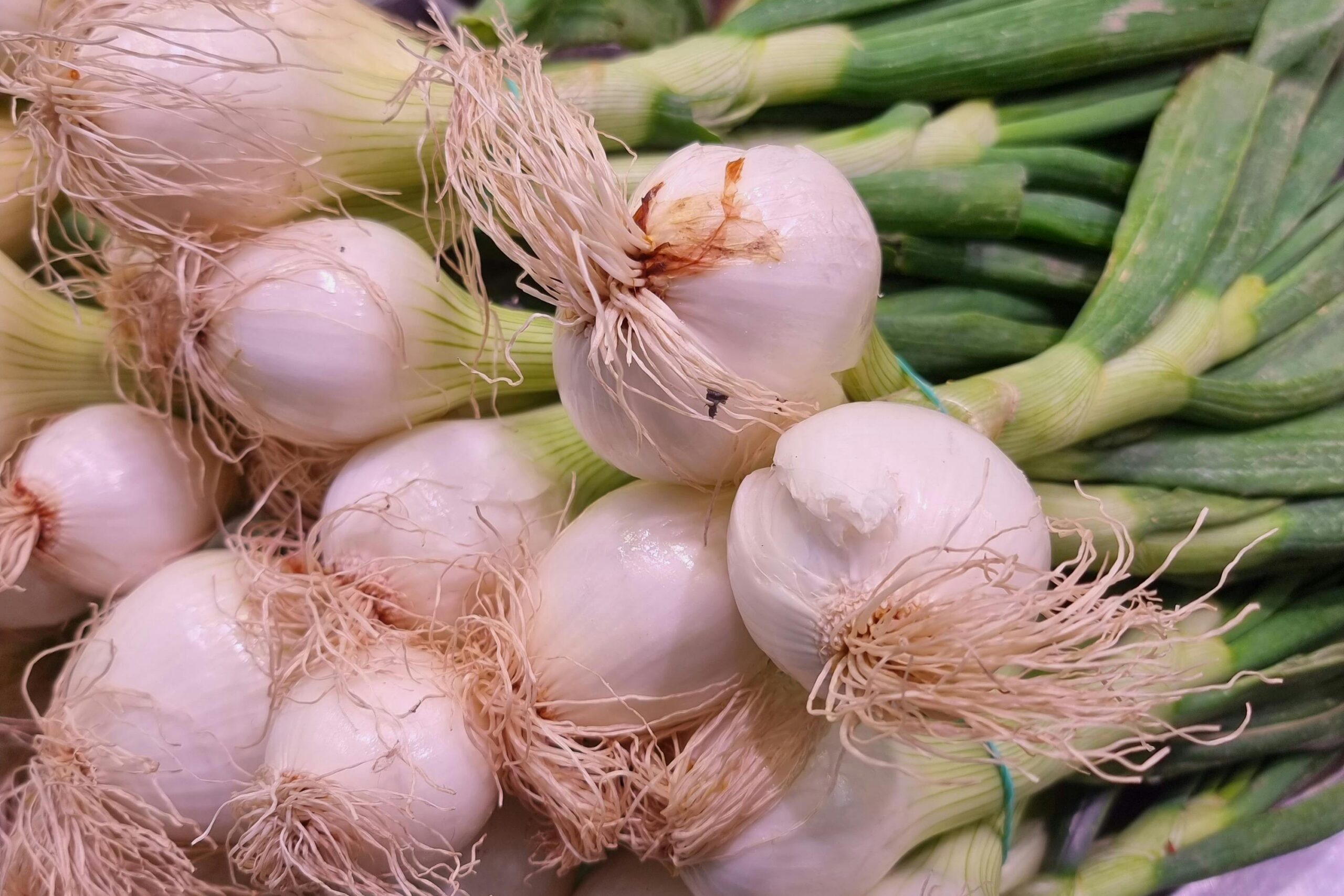
Moreover, many processed foods lack essential nutrients that our bodies need. Whole foods like fruits, vegetables, and grains provide vitamins, minerals, and fiber that are often stripped away during processing. This deficiency can lead to poor nutrition and various health problems, including digestive issues and weakened immune systems. A diet that skews heavily towards processed foods can create a cycle of hunger and overeating, as these foods often do not satiate our hunger in the same way that whole foods do.

Another concerning aspect of processed foods is the presence of artificial additives and preservatives. These substances can sometimes have negative effects on our health. For example, certain artificial colors and flavors have been linked to hyperactivity in children and other behavioral issues. Furthermore, some preservatives, such as BHA and BHT, have raised concerns regarding their potential carcinogenic properties.
In conclusion, while processed foods may offer convenience and affordability, the health risks associated with their consumption cannot be ignored. It’s crucial to be mindful of what we eat and strive to incorporate more whole, unprocessed foods into our diets. By making informed choices, we can significantly improve our overall health and well-being. Remember, moderation is key, and understanding the dangers of processed foods can empower us to make better dietary decisions.

This is such an important topic! I had no idea how many hidden sugars were in processed foods.
I appreciate the detailed information. It really makes me think twice before buying processed snacks.
I love how you highlighted the nutrient deficiencies. I will definitely be trying to eat more whole foods!
Great post! It’s crucial to raise awareness about the dangers of processed foods.
Thank you for sharing this! I’m going to check my pantry right now.